
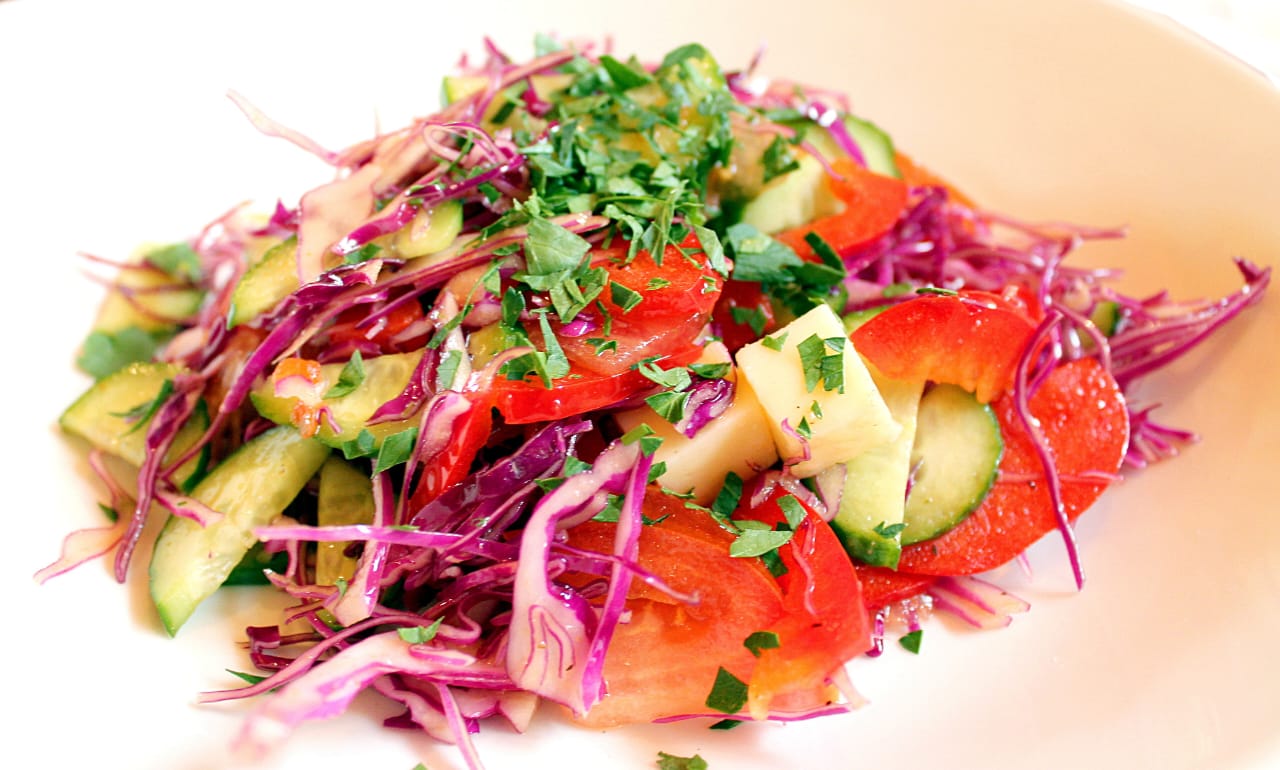
Bacterial vaginosis (BV) is one of the most common vaginal infections among women of reproductive age. It occurs when the natural balance of bacteria in the vagina is disrupted, leading to a decrease in protective Lactobacillus species and an increase in anaerobic bacteria. This imbalance can cause symptoms such as unusual discharge, a fishy odor, itching, and discomfort.
While medical treatment, typically antibiotics, is essential for clearing an active infection, diet can play a complementary role in supporting a healthy vaginal microbiome, reducing recurrence, and promoting overall wellness.
This comprehensive guide will explore which foods may help with BV, which foods to limit, and practical dietary strategies for supporting vaginal health.
What is Bacterial Vaginosis (BV)?
Bacterial vaginosis (BV) is a signal that the vaginal microbiome is out of balance. Normally, the vagina is dominated by Lactobacillus species, which produce lactic acid to maintain a slightly acidic pH. This acidity keeps harmful bacteria in check.
BV occurs when Lactobacillus levels drop and anaerobic bacteria, such as Gardnerella vaginalis and Atopobium vaginae, overgrow. The result can be a thin, grayish discharge, a distinct “fishy” odor, and sometimes mild irritation or itching.
While antibiotics are the frontline treatment for an active infection, emerging research suggests that diet can influence recurrence risk by supporting both gut and vaginal microbiota.
How Your Food Choices Influence Bacterial Vaginosis (BV)
The connection between diet and BV isn’t immediately obvious, but it exists. The gut and vaginal microbiomes are intimately linked; a healthy gut microbiome can indirectly support vaginal Lactobacillus populations. Chronic inflammation, poor immune function, and nutrient deficiencies can all create an environment conducive to bacterial overgrowth.
This means your plate is a tool for prevention, not a replacement for medical treatment, but a way to reduce recurrence and support overall sexual health.
Top Foods That May Help Prevent or Reduce Bacterial Vaginosis (BV)
-
Probiotic-Rich Foods: Reinforcing the Beneficial Flora
Probiotics are live microorganisms that help restore microbial balance. Certain strains of Lactobacillus can colonize the vagina and help prevent BV recurrence.

Best choices:
- Plain yogurt with live cultures: Choose low-sugar options to avoid feeding harmful bacteria.
- Kefir: A fermented dairy drink packed with diverse probiotic strains.
- Fermented vegetables: Sauerkraut, kimchi, and pickled vegetables offer natural probiotics.
- Miso and tempeh: Soy-based fermented foods that also provide protein.
Medical Insight: Clinical trials show that oral and vaginal probiotics, especially Lactobacillus rhamnosus and Lactobacillus reuteri, can help reduce BV recurrence when used alongside standard therapy.
2. Prebiotic Foods: Feeding the Good Guys
Prebiotics are fibers and plant compounds that “feed” beneficial bacteria, supporting both gut and vaginal health.
Top sources:
- Garlic, onions, leeks
- Asparagus, Jerusalem artichokes
- Bananas and oats
Practical tip: Incorporate raw or lightly cooked prebiotics whenever possible, as cooking can reduce certain beneficial compounds.
3. High-Fiber Fruits and Vegetables: Strengthening Your Microbial Shield
Fiber doesn’t just help digestion—it fosters microbial diversity. A balanced gut microbiome can positively influence vaginal microbiota by supporting immune function and reducing systemic inflammation.
Examples:
- Berries: Blueberries, raspberries, blackberries
- Leafy greens: Spinach, kale, swiss chard
- Apples and broccoli
Medical Insight: Fiber-rich diets are linked with lower systemic inflammation, which may help prevent bacterial imbalances in the vagina.
4. Zinc and Vitamin C: Fortifying Vaginal Defense
Zinc is vital for immune response, and vitamin C supports mucosal tissue integrity, both of which are essential for resisting infections.
Sources:
- Zinc: Pumpkin seeds, oysters, lean meats, legumes
- Vitamin C: Citrus fruits, strawberries, bell peppers, kiwi
Medical Insight: Adequate intake of these nutrients can enhance the body’s ability to resist bacterial overgrowth and aid recovery after an infection.
5. Anti-Inflammatory and Healthy Fats: Reducing Microbial Stress
Inflammation disrupts microbial balance. Anti-inflammatory foods can reduce systemic stress on the vaginal microbiome.
Best options:
- Oily fish: Salmon, sardines, mackerel
- Nuts and seeds: Walnuts, flaxseed, chia
- Olive oil and turmeric
Medical Insight: Omega-3 fatty acids help regulate inflammation, potentially creating a more favorable environment for Lactobacillus.
6. Polyphenol-Rich Foods: Antioxidant Allies
Polyphenols are plant compounds with antioxidant effects that selectively encourage beneficial bacteria and inhibit harmful species.
Examples:
- Green tea
- Pomegranate
- Dark berries
These compounds can help maintain vaginal microbial diversity and reduce oxidative stress that could favor harmful bacteria.
7. Hydration
Hydration supports the natural cleansing mechanisms of the vaginal and urinary tracts. Adequate water intake helps maintain tissue moisture and pH balance.
Tips:
- Drink water consistently throughout the day.
- Unsweetened cranberry juice may help maintain urinary tract acidity, though it is not a treatment for BV.
Foods and Habits to Limit for Better Vaginal Health
Certain foods and lifestyle patterns can make BV more likely or harder to resolve:
- Added sugars and refined carbohydrates: Encourage dysbiosis and yeast overgrowth.
- Excessive alcohol: Disrupts microbial balance.
- Highly processed foods and trans fats: Increase inflammation and reduce microbial diversity.
Practical Meal Ideas for Bacterial Vaginosis (BV)
Breakfast:
- Greek yogurt with sliced banana, oats, and a few berries.
Lunch:
- Mixed greens with grilled salmon, avocado, garlic-roasted chickpeas, and olive oil dressing.
Snack:
- Kefir or pumpkin seeds with an apple.
Dinner:
- Miso-glazed tempeh, steamed asparagus, and brown rice.
- Include fermented vegetables as a side and add garlic or onion liberally for prebiotics.
Recognizing Severe or Recurrent Bacterial vaginosis (BV)
Seek medical attention if you notice:
- Strong or unusual vaginal odor
- Abnormal discharge
- Persistent itching, pain, or fever
- Frequent BV episodes
BV often requires antibiotics or clinician-guided probiotic therapy. Avoid relying solely on home remedies if symptoms persist.
Quick Lifestyle Tips to Prevent Bacterial vaginosis (BV) Recurrence
- Avoid douching and scented products that disrupt vaginal flora.
- Wear breathable cotton underwear and limit tight synthetic clothing.
- Consider a low-sugar probiotic regimen if BV recurs frequently.
Combining Diet, Lifestyle, and Medical Care
Supporting vaginal health through diet is a proactive approach to reducing BV recurrence. Prioritize:
- Probiotic and prebiotic foods
- Fiber-rich fruits and vegetables
- Zinc, vitamin C, and anti-inflammatory fats
- Hydration and mindful lifestyle choices
Coupled with proper medical care, these strategies can help maintain a balanced vaginal microbiome and reduce the risk of future infections.
One response to “7 Foods That Fight Bacterial Vaginosis (BV)”
What a stuff of un-ambiguity and preserveness of valuable know-how concerning unpredicted feelings.